

Artificial Turf Maintenance Tips: A Complete DIY Guide
Artificial turf requires far less maintenance than natural grass—but it still needs a small amount of care to keep it clean, fresh, and looking its best.
This guide covers everything you need to know about routine cleaning, seasonal upkeep, repairing minor issues, and keeping pets areas odor-free.
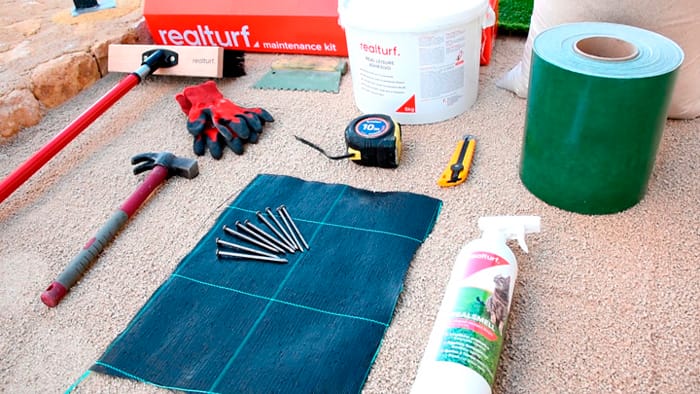
1. Routine Maintenance (Weekly–Monthly)
Whether you installed your turf yourself or hired a professional, these maintenance steps will help extend the life of your lawn and protect your investment.
Brush Your Turf to Keep Fibers Standing Upright
Regular brushing prevents matting and keeps the turf looking full and natural.
How to brush properly:
- Use a stiff bristle push broom or turf brush (avoid metal bristles).
- Brush against the grain to lift fibers.
- Focus on high-traffic areas such as walkways, play zones, or dog paths.
Frequency:
1–2× per month (or weekly for heavy use areas).
Remove Leaves & Debris
Wind, trees, and everyday use leave organic debris on the surface.
Remove using:
- A leaf blower
- A plastic rake
- A soft broom
Keeping debris off prevents weed growth, moss buildup, and odors.
Rinse the Turf to Remove Dust & Pollens
A simple garden hose rinse helps keep turf looking fresh and reduces allergens.
Recommended:
- Rinse 1–2× per month
- Rinse pet areas more frequently
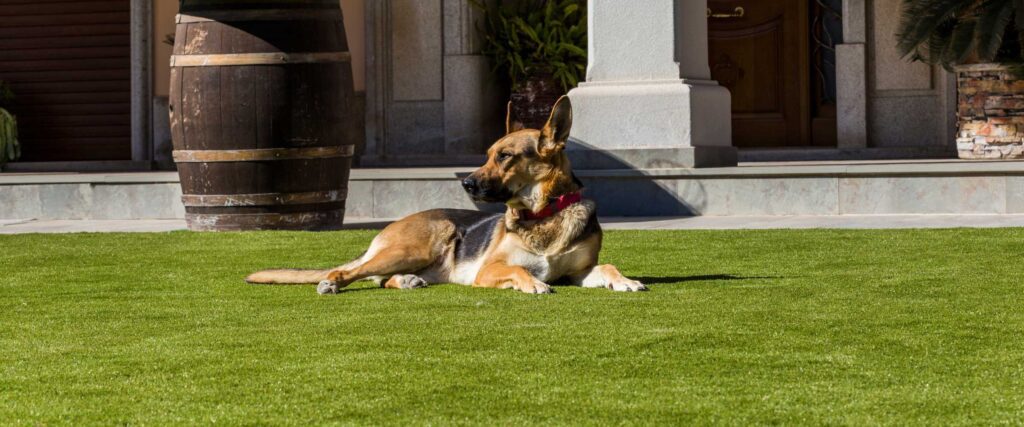
2. Pet Maintenance
Pets love turf—but pet residue needs consistent management.
Pick Up Solid Waste Daily
This prevents bacteria buildup and odor issues.
Rinse Urine Areas Frequently
Use a hose to rinse high-use spots regularly.
Use an Enzyme Cleaner for Odors
Realturf recommends enzyme-based cleaners designed for artificial turf.
These break down organic compounds without damaging fibers or infill.
Avoid:
- Bleach
- Vinegar
- Harsh chemicals (These can discolor the turf or degrade the backing)

3. Deep Cleaning (Seasonal or As Needed)
For a cleaner, rejuvenated surface:
Use a Mild Soap + Water Solution
For dusty or sticky areas:
- Mix mild dish soap with warm water
- Gently scrub the area
- Rinse thoroughly
Treat Moss, Algae, or Mildew
Turf is resistant to these, but shaded or wet areas may occasionally need treatment.
Use:
- A turf-safe moss/algae treatment
- Or a diluted vinegar alternative (if safe for your specific product)
Always test a small area before applying.
Replenish Infill (If Needed)
Over time, infill may move or compress. Add infill to:
- High-traffic areas
- Pet zones
- Play areas
Only use the infill recommended by your installer or product type.

4. Preventative Maintenance Tips
Avoid Hot Objects
Keep these away from turf:
- Fire pits
- Charcoal grills
- Hot equipment
- Cigarettes
Heat can melt fibers.
Protect Against Sharp Edges
Avoid dragging:
- Heavy furniture
- Metal objects
- Gardening tools
This prevents tears or divots.
Inspect & Repair Small Issues Early
Look for:
- Loose seams
- Lifted edges
- Turf settling
Small issues are easy to fix—large issues are more expensive.

5: Seasonal Maintenance Guide
Spring
- Brush fibers upright
- Rinse pollen buildup
- Remove debris from winter
Summer
- Rinse more frequently during dry months
- Check infill levels
- Remove pet odors quickly in heat
Fall
- Clear leaves weekly
- Brush after heavy debris build-up
Winter
- Let snow melt naturally
- Light snow: use a plastic shovel
- Avoid salt, as it can damage backing