
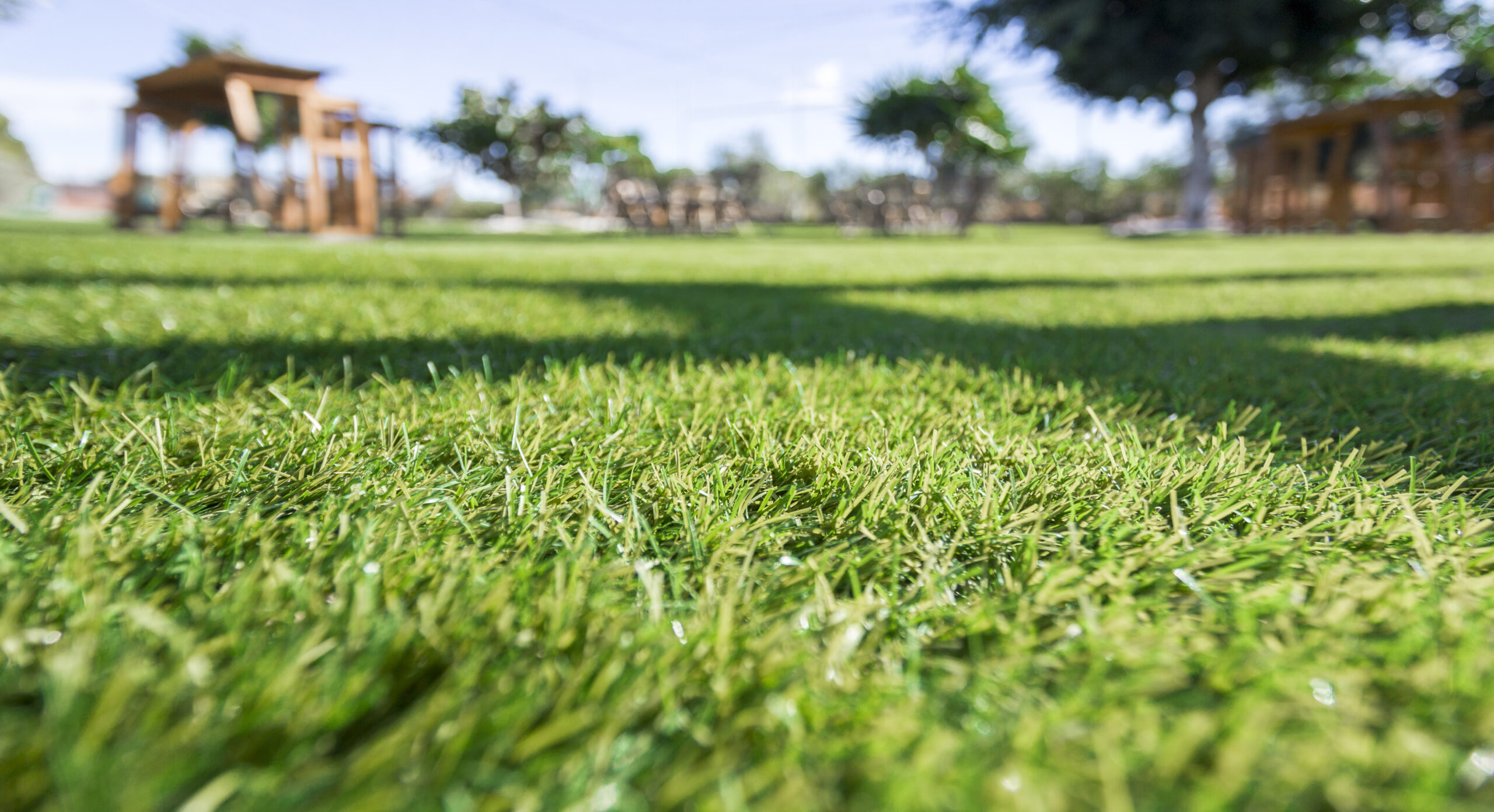
Did you know that millions of American homeowners are switching to artificial grass every year to save water, cut down on yard work, and enjoy a green lawn all year long? Whether you’re dreaming of a low-maintenance backyard, a safe Code Playground, or a lush rooftop retreat, synthetic turf is quickly becoming the go-to solution across the U.S.
But what exactly is artificial grass made of? And how do you know which type is right for your home or business? In this guide, we’ll break down the materials, the manufacturing process, and the latest eco-friendly innovations—so you can make a confident, informed choice.
What Is Artificial Turf?
Artificial turf is a man-made surface designed to look and feel like natural grass. Unlike real grass, which needs sunlight, water, and regular mowing, artificial grass is made from synthetic fibers—usually types of plastic—attached to a sturdy backing. The result? A lawn that stays green and neat with almost no effort.
Originally developed in the 1960s for sports stadiums, artificial turf has come a long way. What once felt stiff and unrealistic now comes in soft, lush textures that are virtually indistinguishable from real grass. Today, you’ll find it not just in stadiums, but in gardens, playgrounds, rooftops, commercial properties, pet areas, and even indoor design spaces.
Main features of modern artificial turf include:
- Year-round green appearance, no matter the season
- UV resistant (won’t fade in the sun)
- Low maintenance (no mowing or watering)
- Durable and long-lasting
- Versatile for many uses
How Is Artificial Turf Made?
The manufacturing of artificial grass is a highly specialized process that combines engineering, chemistry, and advanced machinery to produce a realistic, durable product. Here’s how it works:
1. Fiber Creation (The Blades)
The “grass” blades are made from plastics like polyethylene, polypropylene, or nylon. These are melted and stretched into thin threads that look like real grass. The shape of each blade (flat, S-shape, C-shape, or diamond) affects how soft, realistic, and durable the turf feels.
2. Tufting the Fibers
Once the threads are cooled, they’re tufted into a primary backing cloth using a tufting machine, similar to how carpets are made. This step creates rows of synthetic blades stitched securely into place.
3. Adding the Backing
The tufted turf is then coated with a secondary backing, typically made from latex or polyurethane, which locks the fibers in and provides dimensional stability. This backing ensures the turf holds its shape and survives heavy use.
4. Infill Application (Optional)
To help the blades stand upright and improve cushioning, infill (such as silica sand, crumb rubber, or organic materials like cork or coconut husks) is often added. While not always necessary, infill can enhance comfort, appearance, and longevity.
5. Quality Control & Finishing Touches
High-end manufacturers like Realturf, who produce in Spain with stringent quality controls, inspect every batch for blade consistency, tufting density, and color accuracy. Their innovative fabric designs ensure unmatched realism and durability.
What Materials Are Used to Make Artificial Grass?
Let’s take a deeper look at the main components:
Primary Fibers
- Polyethylene: Soft, flexible, and realistic. Great for homes, safe for kids and pets, and UV resistant.
- Polypropylene: More affordable, but less durable. Best for decorative or low-traffic areas.
- Nylon: The strongest and most resilient. Holds its shape in high-traffic spots, but feels a bit firmer.
Backing Material
- Primary Backing: Usually polypropylene cloth that holds the fibers.
- Secondary Backing: Latex or polyurethane, which seals everything in and keeps the turf stable.
Infill Materials
- Sand: Common for landscaping and pet areas.
- Rubber Granules: Used in sports fields for extra cushioning.
- Organic Infill: Eco-friendly options like coconut fibers, cork, or olive pits.
Eco-Friendly Innovations
Today’s artificial turf is more sustainable than ever. Look for options with recycled plastics, lead-free dyes, and biodegradable infill. Realturf is committed to green manufacturing and offers products designed for American weather and environmental standards.
When Was Artificial Grass Created?
Artificial grass was first developed in the early 1960s and gained fame in 1966 when it was installed in the Houston Astrodome—earning the name AstroTurf. Back then, it was rigid, carpet-like, and best suited for athletic performance rather than aesthetics.
Since then, the industry has evolved dramatically. Today’s artificial turf offers lush textures, natural coloring, and realistic movement, making it suitable for homes, schools, commercial spaces, and beyond.
Realturf’s Contribution
Realturf has been a leader in advancing turf innovation. By focusing on fiber shape technology, non-toxic infill, and drainage efficiency, they’ve earned a reputation for producing some of the most realistic artificial grass on the market. Their turf is engineered in Spain and tailored for American landscapes.
What Are the Different Kinds of Artificial Turf, and Which Would Be the Best Choice for My Garden?
Artificial turf varies based on material type and fiber construction, each offering distinct benefits depending on your needs.
Nylon
- Strongest fiber
- Excellent memory (returns to shape)
- Best for heavy foot traffic
- Less soft underfoot
Polyethylene
- Most natural look and feel
- Ideal for residential landscapes
- UV resistant and pet-friendly
- Balance of comfort and durability
Polypropylene
- Budget-friendly
- Suitable for low-use decorative areas
- Less resilient under pressure
Monofilament
- Single fiber per blade
- Natural appearance
- Often used in premium residential turf
Textured
- Crimped yarn for added cushioning
- Commonly used in play or sports areas
Fibrillated
- Wide fibers split into filaments
- Less expensive, but more prone to matting
Beyond the Material, You’ll Also Want to Consider These Factors:
Pile Height
Determines how tall the grass blades are. Taller piles (35–45 mm) feel luxurious but may flatten under heavy use.
Density
Refers to the number of blades per square inch. Higher density offers a fuller appearance and longer life.
Infill
Improves performance, support, and blade recovery. Choose based on comfort and maintenance preferences.
Drainage
Look for perforated backings for optimal drainage—especially crucial in rain-prone areas or pet zones.
Softness
Important for families with kids or pets. Polyethylene is typically the softest option.
Memory
Indicates how well the blades return to their original shape after pressure. Nylon scores highest.
Naturalness
Color variation, blade shape, and sheen all contribute to realism. Premium turfs mix multiple green and brown tones for authenticity.
Is There Environmentally Friendly Fake Grass?
Yes—today’s artificial turf can be significantly eco-friendlier than older generations. Some key environmental benefits and considerations include:
Benefits:
- Water conservation (especially in drought-prone areas)
- No need for fertilizers or pesticides
- Lower emissions from maintenance (no mowing)
Concerns & Solutions:
- Microplastics: Choose brands like Realturf that use non-toxic, stabilized polymers.
- End-of-life disposal: Opt for recyclable backing systems or turf made from recycled content.
- Infill safety: Select organic infill materials that are biodegradable and safe for kids and pets.
Why Is Artificial Turf So Popular Now?
Several trends are driving the rapid rise in artificial turf adoption:
- Water Restrictions: Many states have strict watering laws. Turf lets you have a green lawn without wasting water.
- Low Maintenance: No mowing, fertilizing, or weeding.
- Always Looks Great: Stays green and tidy, even in drought or heavy use.
- Durability: Perfect for busy families, pets, and high-traffic areas.
- Fits Your Lifestyle: Ideal for vacation homes, rentals, or anyone who wants more free time.
Industry Impact:
- Landscape Architects value the design flexibility
- Real Estate Developers use turf to boost curb appeal
- Commercial Spaces like cafes and hotels create inviting outdoor zones
- Event Planners utilize it for stylish, temporary installations
Final Thoughts: Make the Smart Choice with Realturf
Artificial grass delivers more than just a consistently green lawn—it provides long-term value through water conservation, reduced maintenance, and year-round visual appeal. However, not all artificial turf is created equal. The ideal solution depends on factors such as location, intended use, climate, and your personal preferences for look and feel.
Ready to Make the Switch?
At Realturf, we know every project is unique. That’s why we offer a wide range of realistic, high-performance artificial grass products for American homes and businesses.
Ready to transform your yard? Get a free quote from Realturf USA today!
Want to see our most realistic turf? Explore our premium selection for gardens and landscapes.
With Realturf, you get innovative, eco-friendly turf backed by expert support. Let us help you create an outdoor space that looks stunning and performs all year long.